How to Choose the Right Interstate Transport Service for You
Moving items across state lines has become essential to both personal and business logistics in today's fast-paced economy. Whether you are a manufacturer acquiring raw materials, a business owner sending goods across the country, or a person moving to a different state, selecting the best interstate transport services can have a big impact on cost, efficiency, and peace of mind.
Making a choice can be difficult due to the abundance of transport companies, each of which offers a variety of services, cars, and cost structures. With the aid of this advice, you will be able to confidently select an interstate shipping service that best suits your needs.
Understanding Interstate Transport Services
Transporting cars or goods from one state to another is known as interstate transportation. Full truckload (FTL), less-than-truckload (LTL), container transport, refrigerated transport, and specialised logistics for delicate or large cargo are some examples of these services.
Reliable interstate transportation services guarantee that goods adhere to national and state laws, arrive at their destination on schedule, and stay safe the entire way. Selecting the best supplier is important for maintaining continuity, dependability, and trust in addition to transferring commodities.
Identify Your Transport Requirements
Make sure you know exactly what you need before choosing a transport provider. Selecting the best supplier will be made easier if you know what you are shipping and how frequently.
Consider this:
- What kind of cargo is being moved?
- Are they dangerous, delicate, or perishable?
- What are the weight and volume of the shipment?
- Is this a one-time delivery or an ongoing need?
For instance, companies that transport FMCG goods would need to deliver goods quickly and often, but companies that transport industrial goods might need heavy-duty vehicles. The first step in selecting the best interstate transport services is to match your needs with the provider's capabilities.
Check Service Coverage and Route Network
The route network of the service provider is one of the most crucial elements. Strong interstate transport firms should cover a large number of states and important trade routes.
Make sure that:
- Both the origin and destination states are served by the provider.
- They've handled routes like yours before.
- They are capable of effectively handling last-mile delivery.
A solid network guarantees more seamless coordination across state lines, minimises handling hazards, and cuts down on delays.
Evaluate Fleet Quality and Vehicle Options
Delivery efficiency and safety are directly impacted by a transport company's vehicle selection and quality. To guarantee dependability, reputable interstate transportation companies make investments in well-maintained fleets.
Seek out suppliers who provide:
- Various vehicle sizes (containers, trailers, and small trucks)
- Specialised vehicles (flatbed, covered, and refrigerated)
- Frequent upkeep and safety inspections of vehicles
Flexibility is made possible, and the proper circumstances for the transportation of your goods are guaranteed by a modern and varied fleet.
Consider Experience and Industry Expertise
When it comes to interstate transportation, experience is crucial. Businesses with years of experience are familiar with documentation, toll systems, regulatory regulations, and possible route difficulties.
An expert in interstate transportation services can:
- Manage adherence to interstate transportation regulations
- Handle unforeseen delays or route modifications
- Give knowledgeable guidance on packaging and shipping arrangements.
Selecting a seasoned supplier guarantees more seamless logistics operations and lowers the possibility of interruptions.
Assess Safety Standards and Insurance Coverage
When shipping goods between states, safety should never be sacrificed. Cargo safety is a top priority for trustworthy interstate transportation firms, which also offer sufficient insurance coverage.
Before choosing a supplier, make sure to:
- Do they provide transit insurance?
- How damage or loss claims are handled
- Their safety record and adherence to transportation laws
Having the right insurance coverage offers you comfort during the transportation procedure and safeguards your financial interests.
Compare Pricing and Transparency
The cheapest option isn't necessarily the best, even when money is a significant consideration. Low prices are frequently less important than transparent pricing and value-added services.
When contrasting transit services across states:
- Request thorough quotes that don't include any additional fees.
- Recognise prices according to service type, weight, and distance.
- Look for extra expenses like waiting fees, fuel surcharges, or tolls.
Clear pricing and an upfront explanation of the cost structure are characteristics of a reliable transport partner.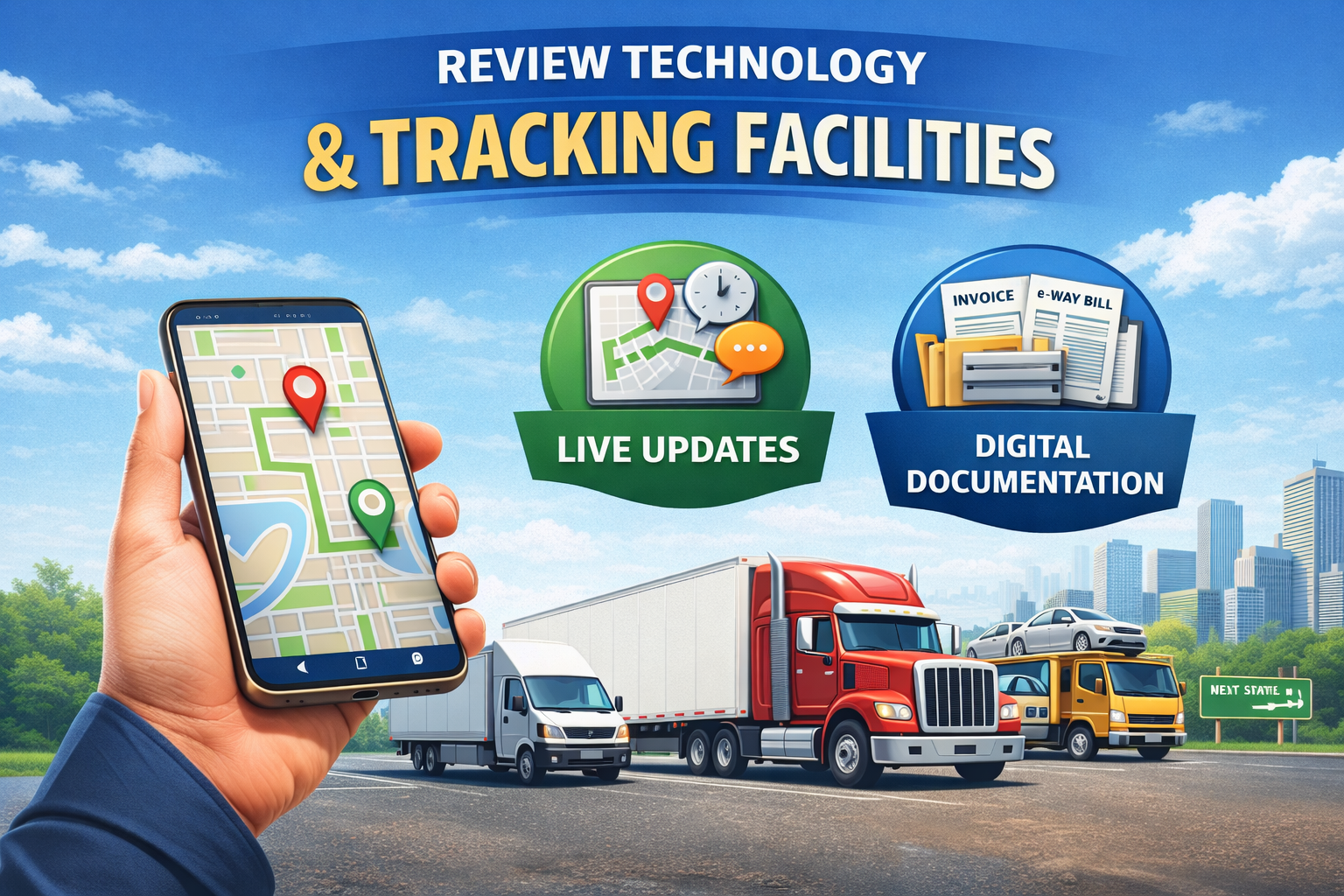
Review Technology and Tracking Facilities
Technology plays a major role in modern logistics. Digital communication and real-time tracking are necessary for effective interstate transportation services.
Select a supplier that provides:
- GPS-based tracking of shipments
- Updates on timely delivery
- Digital billing and documentation
Technology-driven services facilitate better planning, increase transparency, and keep you updated on the progress of your cargo at all times.
Check Customer Reviews and Reputation
An effective way to gauge the quality of a service is through customer feedback. Testimonials and reviews can shed light on a transport provider's dependability, professionalism, and response.
Search for:
- Internet evaluations and rankings
- Customer endorsements on the business website
- Long-term connections with clients
In interstate transportation services, a solid reputation frequently represents reliable performance and client satisfaction.
Evaluate Customer Support and Communication
In logistics, effective communication is essential. In the event of delays, route modifications, or documentation problems, prompt customer service is crucial.
Select a transit provider that:
- offers a specific point of contact
- Quickly answers questions
- keeps you updated during the trip
Effective communication guarantees seamless coordination from pickup to delivery and fosters confidence.
Understand Compliance and Documentation
Many permits, invoices, and compliance documents are required for interstate transportation. These needs should be easily met by a reputable transport service.
Verify the supplier:
- has an interstate operating licence and is registered.
- comprehends state laws, e-way bills, and GST.
- helps ensure appropriate documentation
Proficiency in compliance helps prevent fines, delays, and legal issues.
Conclusion
It's important to carefully consider your demands, the provider's capabilities, and general dependability when choosing an interstate transportation service. Every element is essential to successful cross-state transportation, from fleet quality and route coverage to safety regulations, technology, and customer service.
You may reduce risks, manage expenses, and guarantee on-time delivery by taking the time to investigate and evaluate interstate transportation options. In today's cutthroat logistics environment, the correct transport partner will enable you to proceed with confidence and efficiency, whether for company or personal usage.
Thank you for reading 😊