Fuel-Efficient, Sustainable & Reliable Truck Transportation: How Modern Logistics Is Evolving
The transportation and logistics sector in India is undergoing a significant shift. With fuel prices rising, growing environmental concerns, and increasing demand for faster, safer deliveries, transport companies are stepping up their game by adopting smarter, more responsible, and customer-focused strategies. Today, successful truck transportation is about more than moving goods—it’s about efficiency, sustainability, safety, and top-notch service.
In this blog, we’ll explore five key pillars shaping the future of truck transportation services: fuel-efficient fleets, eco-friendly practices, round-the-clock customer support, tailored logistics for bulk shipments, and robust safety standards for insured cargo handling.
Fuel-Efficient Fleet & Route Optimisation
Fuel efficiency has become a top priority in the trucking industry. With fuel prices fluctuating, logistics costs are rising, prompting transport companies to invest in fuel-efficient vehicles and smart route planning.
Today’s fleets are outfitted with cutting-edge engines, improved aerodynamics, and regular maintenance routines to maximise fuel efficiency. Additionally, route optimisation technology is crucial. GPS-enabled systems assess traffic patterns, road conditions, toll routes, and delivery schedules to pinpoint the most efficient routes.
By cutting down on idle time, steering clear of congested areas, and fine-tuning trip planning, transport providers can significantly reduce fuel consumption. This not only helps keep operational costs in check but also ensures quicker deliveries and reliable turnaround times for clients.
Ultimately, fuel-efficient transportation is a win-win for businesses, offering competitive pricing while upholding high service standards.
Eco-Friendly and Sustainable Transport Practices
Sustainability isn’t just a buzzword anymore—it’s a responsibility we all share. The logistics industry is stepping up by embracing eco-friendly transport practices to reduce its environmental impact.
Transport companies are making strides to reduce carbon emissions by using fuel-efficient fleets, optimising load planning, and minimising empty return trips. Keeping vehicles well-maintained is also key, as it helps ensure engines run smoothly and efficiently. Some logistics providers are also exploring alternative fuels and greener technologies as part of their long-term sustainability strategies.
Additionally, going digital with documentation and adopting paperless operations are becoming the norm, helping reduce waste. Sustainable logistics not only supports environmental conservation but also enhances a company’s reputation and ensures compliance with evolving regulations.
For businesses that prioritise responsible supply chains and long-term environmental impact, eco-friendly transportation solutions are absolutely vital.
24/7 Customer Support & Shipment Assistance
In the fast-paced world of logistics, communication is everything. Delays, route changes, or unexpected issues can occur at any time during transportation. That’s why 24/7 customer support and shipment assistance are crucial to reliable truck transport services.
With round-the-clock support, clients can receive real-time updates, quickly resolve issues, and access accurate delivery information whenever needed. Dedicated customer service teams are on hand to track shipments, coordinate with drivers, and provide immediate solutions when challenges arise.
Thanks to real-time tracking systems integrated into customer support, businesses enjoy transparency and peace of mind. They can monitor shipment progress, estimated delivery times, and proof of delivery without delays.
Strong customer support fosters trust, enhances client satisfaction, and strengthens long-term business relationships.
Customised Logistics Solutions for Bulk Consignments
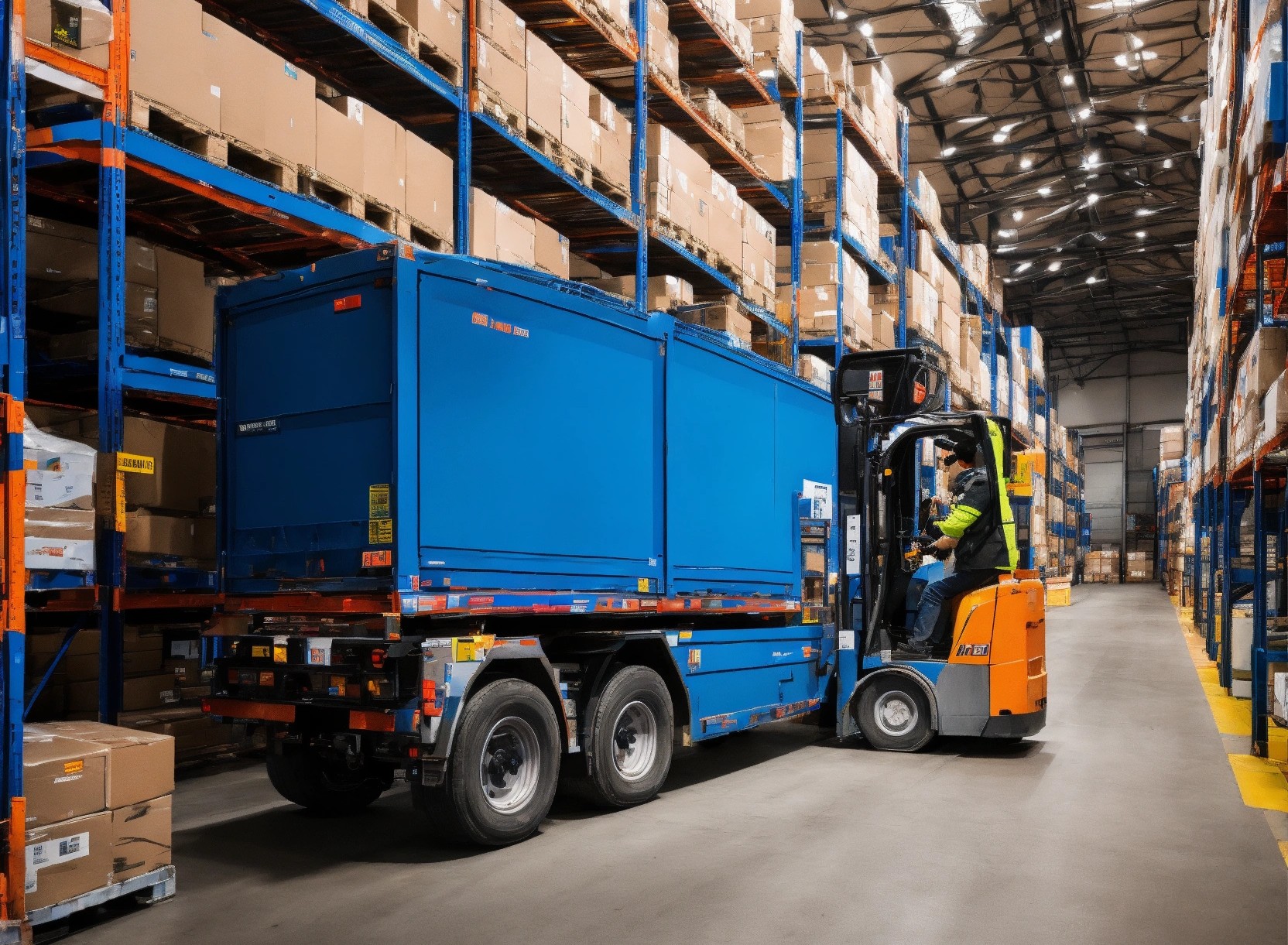
Every business has its own logistics needs, especially when handling bulk consignments. Standard transportation options often fall short for industries like FMCG, manufacturing, construction, cement, steel, and pharmaceuticals.
Customised logistics solutions enable transport providers to adapt their services to fit the specific requirements of the cargo, including its type, volume, delivery schedules, and handling needs. This could mean using dedicated trucks, implementing specialised loading and unloading processes, optimising schedules, and ensuring compliance with industry regulations.
Tailoring bulk logistics also improves cost management and operational efficiency. By aligning transport strategies with a business's unique needs, companies can avoid delays, reduce damage risk, and streamline their supply chains.
These customised solutions empower businesses to grow while ensuring consistency and reliability in their transportation processes.
Strong Safety Standards & Insured Cargo Handling
Safety is the cornerstone of professional truck transportation. From driver training to vehicle maintenance and cargo handling, robust safety standards ensure goods arrive at their destination safely.
Reputable transport companies adhere to strict safety protocols, which include regular vehicle inspections, well-trained drivers, compliance with road regulations, and secure loading practices. GPS tracking further boosts safety by monitoring vehicle movements and preventing unauthorised detours.
Having insured cargo handling provides an additional layer of security. In-transit insurance protects goods against risks such as accidents, theft, and natural disasters. This not only mitigates financial risks for businesses but also builds trust in their logistics partners.
A strong emphasis on safety and insurance showcases a company’s dedication to professionalism, reliability, and earning customer trust.
Why These Five Factors Matter in Modern Truck Transportation
Together, these five pillars—fuel efficiency, sustainability, customised solutions, safety, and insurance—form the foundation of effective and reliable truck transportation in today’s world.
Frequently Asked Questions (FAQs)
1. Why is fuel efficiency important in truck transportation?
Fuel efficiency is crucial because it helps keep operational costs down, enables competitive pricing, accelerates delivery times, and reduces environmental impact.
2. How do eco-friendly transport practices benefit businesses?
Adopting sustainable logistics can boost a brand's reputation, ensure regulatory compliance, reduce its carbon footprint, and foster responsible supply chains.
3. What is the advantage of 24/7 customer support in logistics?
Having 24/7 customer support means you get real-time updates, quick resolutions to any issues, greater transparency, and ultimately, happier customers.
4. What are customised logistics solutions?
Customised logistics solutions are transport services designed to meet a business's unique needs, particularly for bulk shipments or specialised consignments.
5. Why is insured cargo handling important?
Insured cargo handling is essential because it safeguards goods against financial loss from accidents, theft, or damage during transit, giving businesses peace of mind.
Conclusion
The logistics and transportation sector is changing at a rapid pace, driven by technological advancements, sustainability initiatives, and evolving customer expectations. Today, having fuel-efficient fleets, adopting eco-friendly practices, providing round-the-clock customer support, offering tailored logistics solutions, and maintaining high safety standards are not just nice-to-haves—they're absolutely essential.
Companies that partner with transport providers that share these values can gain a significant competitive advantage, thanks to lower costs, reliable deliveries, and improved operational efficiency over the long term. As supply chains grow increasingly intricate, modern truck transportation solutions will remain crucial in driving economic growth and ensuring business success.
Thanks for reading :)